Blog
香港油漆修復:為何兩步修復能徹底改變一切
Why two-step paint correction is worth it
以 Nitro 於香港提供的兩步油漆修復,解鎖展廳級鏡面光澤。透過精準測量、專業器材及 CarPro 研磨劑,安全去除旋紋、深層刮痕(RIDS)及機紋。
執行摘要
- 兩步修復:在可量度的安全漆面厚度內恢復清澈,同時提升陶瓷鍍膜的耐久度。
- Nitro 流程:DA 及旋轉拋光機、羊毛與海綿墊、CarPro 研磨劑、高顯色指數照明、精細遮蔽與全套去污。
- 漆面過薄或風險過高時應保留;建議配合「修復 + 鍍膜套裝」獲得最佳耐用性。
旋紋、RIDS 與機紋
旋紋是細小圓形微刮痕,會令倒影變暗,多由不正確洗車或抹乾造成。RIDS(隨機孤立深刮痕)較深、局部,有時以指甲可輕微勾到,需要針對性切削。機紋是機器引致的拋光拖影,通常源於不當旋轉機技巧,在強光下呈現閃爍弧形紋。以上缺陷都會散射光線、削弱光澤;若不處理,更可能加速氧化。
油漆厚度與安全界限
原廠漆很薄:整體通常約 90-160 微米,透明層大概 35-60 微米。Nitro 會以校準測厚儀為車身建立讀數地圖,找出薄弱區域、翻噴位置及各面板差異。我們只會在需要時極小幅度移除透明層以拉平瑕疵,保留 UV 防護與日後可維修性。車身邊位與摺線更薄;若讀數接近臨界或已出現失效跡象,我們會建議較輕度提升、局部校正或保護方案,而非具侵略性的拋光。
單步 vs 兩步
單步拋光可迅速改善輕微旋紋與霧化,通常只能去除約 30-60% 缺陷。兩步則徹底改變結果:第一步切削(多用羊毛墊)拉平旋紋、RID 邊緣與輕微蝕刻;第二步精修(海綿墊)把清晰度與深邃度拉滿。大多數原廠透明層可達 70-95% 缺陷去除率。把表面精修到這個水平,亦有助陶瓷鍍膜更均勻黏結。
Nitro 的工具與品質管控
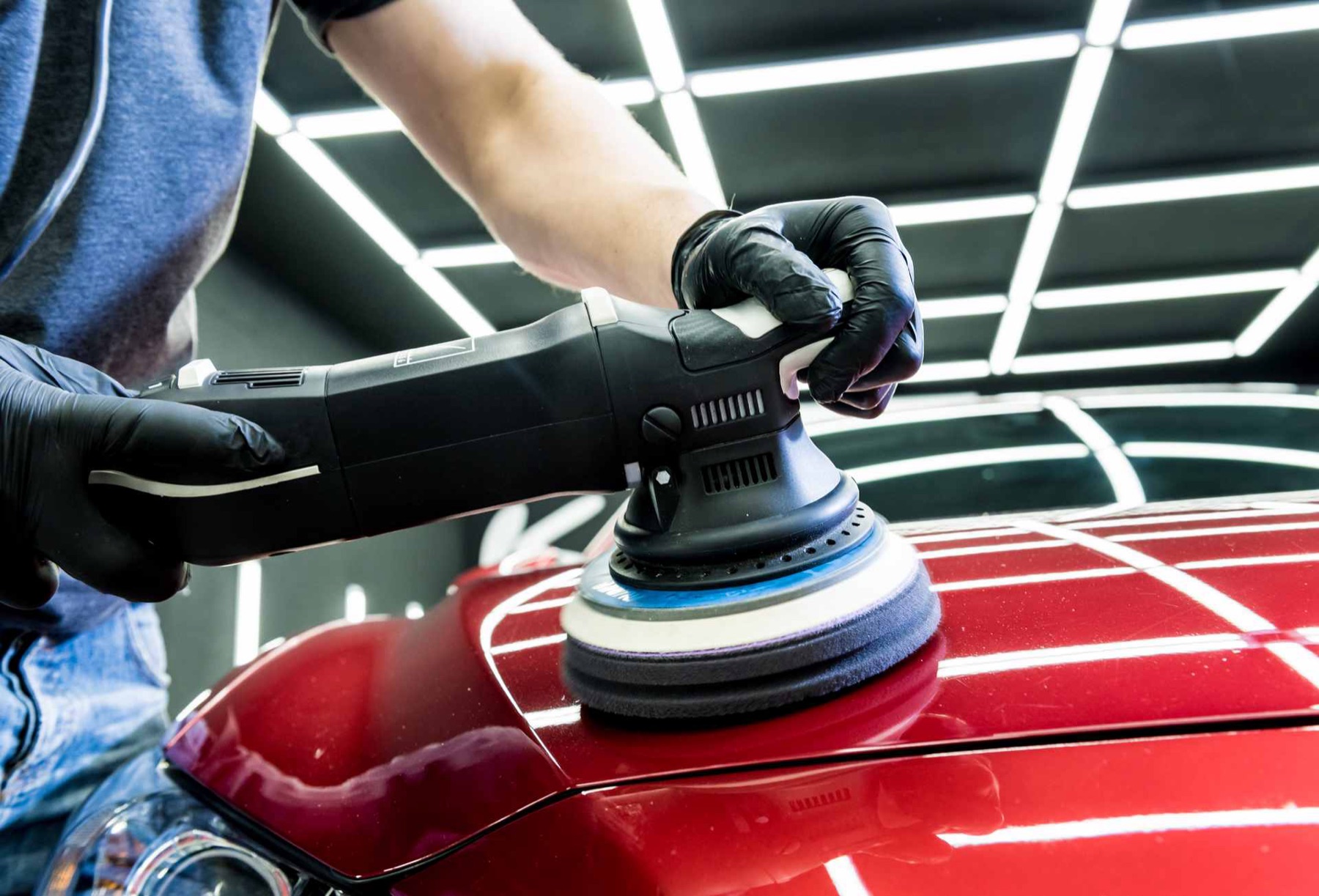
- 雙軸拋光機負責安全與一致性;需要時以旋轉機作精準切削。
- 羊毛墊高效切削找平;海綿墊負責精修與收光。
- CarPro 研磨系統按漆面硬度與缺陷分佈匹配。
- 高 CRI、多角度檢查光源,清楚顯現旋紋、RIDS 與機紋。
- 全面遮蔽飾條、橡膠、車標、感應器與 PPF 邊界。
- 動工前全套去污:無接觸預洗、鐵粉清除、黏土,步驟間面板清潔劑脫油。
常見迷思
- 「打蠟可以去除旋紋。」錯。蠟只會暫時填補,洗掉就回來。
- 「拋光封釉等同修復。」封釉是遮蓋,修復才是移除。
- 「新車不需要修復。」很多新車帶著運輸刮痕或車行洗車旋紋。
- 「拋光一定會把漆磨得太薄。」在量度與控管良好下,只會移除幾個微米。
- 「有陶瓷鍍膜就不用修復。」鍍膜會把現有表面狀態鎖定。想要最佳效果,先修復再鍍膜。
何時不宜進行修復
若透明層極薄、追擊深層 RID 有安全風險,或透明層已失效,我們會婉拒或降低力度。即將交還的租賃車,或經常下賽道/越野的車輛,輕度提升或局部校正往往更明智。這類情況我們會著重提升光澤與提供保護,而非一味追求極限缺陷移除率。
Two-step paint correction is how we get that showroom look back safely. We measure the paint, then remove swirls and deeper marks with CarPro polishes.
The short version
- Two steps: a cut to level the marks, then a finish polish for clarity. That also helps a ceramic coating last.
- We measure thickness first. If the paint is too thin, we stop or go lighter.
- Correction plus coating is the combination that actually stays looking good.
Swirls, deep scratches and holograms
Swirls are the fine circular marks that dull reflections, usually from a bad wash or dry. Deeper isolated scratches (RIDS) you can sometimes catch with a fingernail. Holograms are trails from a poorly used rotary machine; they flash in the sun. All of them scatter light. Left alone, they can speed up fade.
Paint is thinner than people think
Factory paint is often only 90-160 microns in total, with 35-60 microns of clear coat. We map every panel with a thickness gauge, find thin spots and resprays, and only remove the minimum needed. Edges and body lines are thinner still. If the readings are close to the limit, we recommend a lighter polish, local work, or just protection, not an aggressive cut.
One step versus two
A single-step polish can quickly improve light swirls, but it usually only takes out 30-60% of what’s there. Two-step is different: a cutting stage levels the marks, then a finishing stage restores depth. Most factory clear coats can reach 70-95% removal. That level of finish also lets ceramic coating sit more evenly.
How we keep it safe
- Dual-action machines for most of the work; rotary only when a precise cut is needed.
- Wool pads to level, foam to finish.
- CarPro polishes matched to how hard the paint is.
- Bright lighting from more than one angle, so marks actually show.
- Trim, rubber, badges, sensors and PPF edges taped off.
- A full clean first: pre-wash, iron remover, clay, and a panel wipe between steps.
Myths
- Wax doesn’t remove swirls. It fills them until the next wash.
- A glaze is camouflage. Correction actually removes the mark.
- New cars often arrive with transit marks or dealer-wash swirls.
- Done carefully, polishing only takes off a few microns.
- Coating locks in whatever is already there. Correct first, then coat.
When we won’t push it
If the clear coat is too thin, chasing a deep scratch is unsafe, or the clear is failing, we decline or scale the work down. Lease returns and cars that get used hard often do better with a light polish and protection than chasing a perfect percentage.